

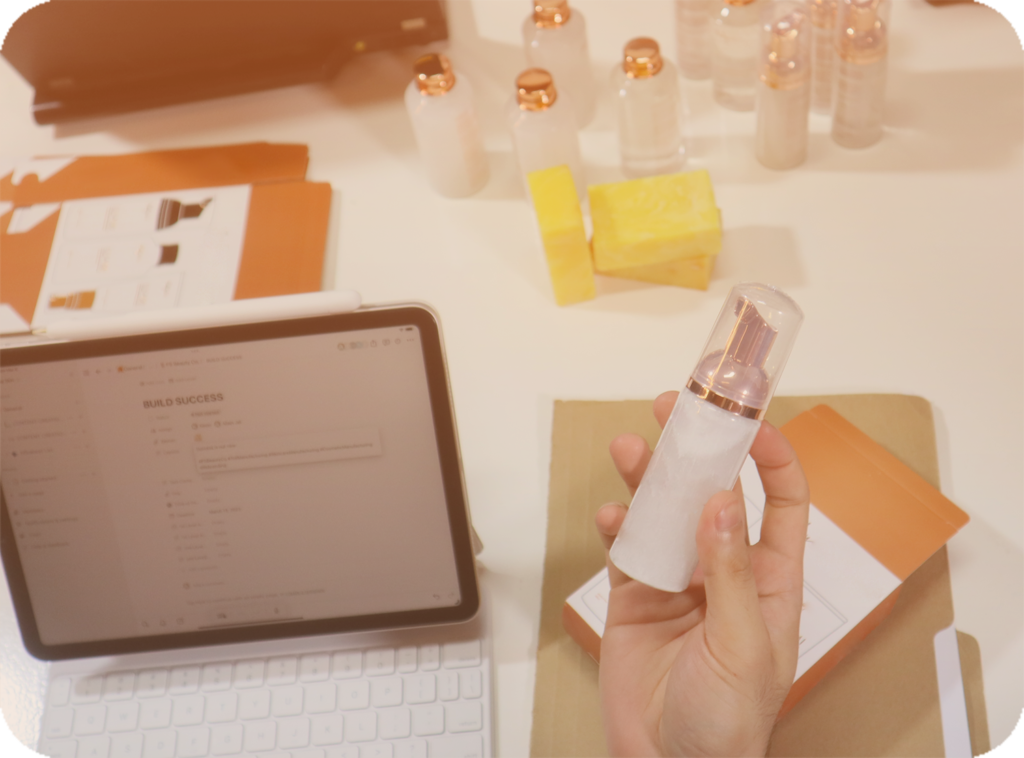
How to Start a Skincare Brand in the Philippines (Step-by-Step Guide)
Want to start a skincare brand in the Philippines? This step-by-step guide covers niche selection, product formulation, FDA registration, and finding a GMP-certified manufacturer. The Best Time to Start Is Now The Philippine beauty industry is booming, and that’s not just marketing talk. The local cosmetics and personal care market is projected to grow steadily over the next decade, fueled by a young, beauty-obsessed population, the rise of Filipino-made products, and an explosion of online shopping. Platforms like Shopee, Lazada, and TikTok Shop have made it easier than ever to reach thousands of potential customers without needing a physical store. More importantly, Filipino consumers are actively looking for homegrown skincare brands they can trust. There’s never been a better moment to put your idea into a bottle and build something real. This guide is for first-time founders, the ones with a vision but not yet sure where to start. We’ll walk you through every major step, from defining your niche to getting your products on shelves. Step 1: Define Your Niche and Target Market Before you think about formulas, packaging, or logos, think about who you’re building this for. The Philippine skincare market is competitive, but it rewards specificity. Broad brands get ignored. Focused brands build loyal communities. Ask yourself: Who is my ideal customer? (Age, lifestyle, skin concerns, budget) What problem am I solving? (Hyperpigmentation? Oily skin in humid climates? Sensitive skin after acne?) What makes me different? (Local ingredients? A specific skin tone focus? Dermatologist-tested formulas?) Some niches thriving right now in the Philippines: Melanin-conscious skincare, brightening and even-tone products built for morena and mestiza skin Acne-prone skin, especially for teens and young adults Men’s grooming, still an underserved category locally The sharper your niche, the easier everything else becomes, your branding, your messaging, your marketing. Start narrow. You can always expand later. Step 2: Choose Your Products and Formulations Once you know your audience, map out a starter product lineup. Most successful indie skincare brands launch with 2–4 hero products rather than a full catalog. This keeps your initial investment manageable and lets you test the market before going all in. Think about the skin journey your customer goes through: Cleanser → foundation of any routine Toner or essence → prep and targeted treatment Moisturizer or serum → the workhorse products SPF → increasingly non-negotiable for Filipino consumers You don’t have to invent new formulas from scratch. Most new brands start with stock formulas (ready-made, proven formulations) and customize the scent, texture, active ingredient concentration, or packaging. This dramatically reduces cost and time to market. For brands with bigger ambitions, a signature ingredient, a patented technology, a truly unique product, custom R&D formulation is the route, though it takes more time and investment. Step 3: Find a GMP-Certified Cosmetic Manufacturer in the Philippines This is where many first-time founders get stuck, and where your choice of manufacturing partner can make or break your brand. You need a manufacturer that is: Brand name and logo, keep it memorable, easy to spell, and searchable online Color palette and typography, should visually communicate your brand’s personality (clean minimalist, bold and fun, earthy and natural, etc.) Packaging type, pump bottles, tubes, jars, airless dispensers? Each communicates something different Label design, must be beautiful and compliant Don’t try to do everything yourself. Even a simple, well-executed brand identity done right is better than a complicated one done halfway. If design isn’t your strength, hire a local graphic designer or work with a manufacturer (like FS Beauty Co.) who offers labeling design as part of their service. Contract and Toll Manufacturing, they make your products to your specs Private Label and Stock Formulas, launch faster with proven formulations you can customize Custom R&D, for founders who want something truly original Product Labeling Design, your product, looking polished and professional Regulatory Assistance, they’ll help you navigate FDA LTO and CPN requirements (more on that next) Packaging Materials Sourcing, no need to juggle a dozen suppliers Working with a manufacturer like FS Beauty Co. means you’re not starting from zero, you’re starting from a foundation that’s already built, compliant, and ready. Step 4: FDA Registration and CPN Requirements No skincare product can be legally sold in the Philippines without proper FDA registration. This is non-negotiable, and it’s also one of the biggest fears new founders have. Let’s demystify it. What you need: 1. Cosmetic Product Notification (CPN) All cosmetic products in the Philippines, moisturizers, cleansers, serums, toners, must be registered under the FDA’s Cosmetic Product Notification system before they can be sold. This is your most important compliance step. 2. FDA License to Operate (LTO) If you’re manufacturing locally, your manufacturer must hold an FDA LTO. If you’re importing, you may need one. When you work with a compliant manufacturer like FS Beauty Co., their LTO covers the manufacturing side. 3. Product Labels Your labels must meet FDA labeling requirements: complete ingredient list (in INCI format), net content, country of origin, manufacturer’s name and address, and usage instructions. The good news: if this sounds overwhelming, a good manufacturing partner will guide you through all of it, or handle it on your behalf. Step 5: Branding, Packaging, and Labeling Your formulation gets people to repurchase. Your branding gets them to buy the first time. In a crowded market, packaging is your silent salesperson. A product sitting on a shelf, or shown in a TikTok unboxing, has seconds to make an impression. Invest in this. Key decisions to make: Brand name and logo, keep it memorable, easy to spell, and searchable online Color palette and typography, should visually communicate your brand’s personality (clean minimalist, bold and fun, earthy and natural, etc.) Packaging type, pump bottles, tubes, jars, airless dispensers? Each communicates something different Label design, must be beautiful and compliant Don’t try to do everything yourself. Even a simple, well-executed brand identity done right is better than a complicated one done halfway. If design isn’t your strength, hire a local graphic designer or work with a manufacturer (like FS Beauty Co.) who offers labeling design as part of their service. Step 6: Launch and Start Selling With your products
How to Start a Skincare Brand in the Philippines (Step-by-Step Guide) Read More »